
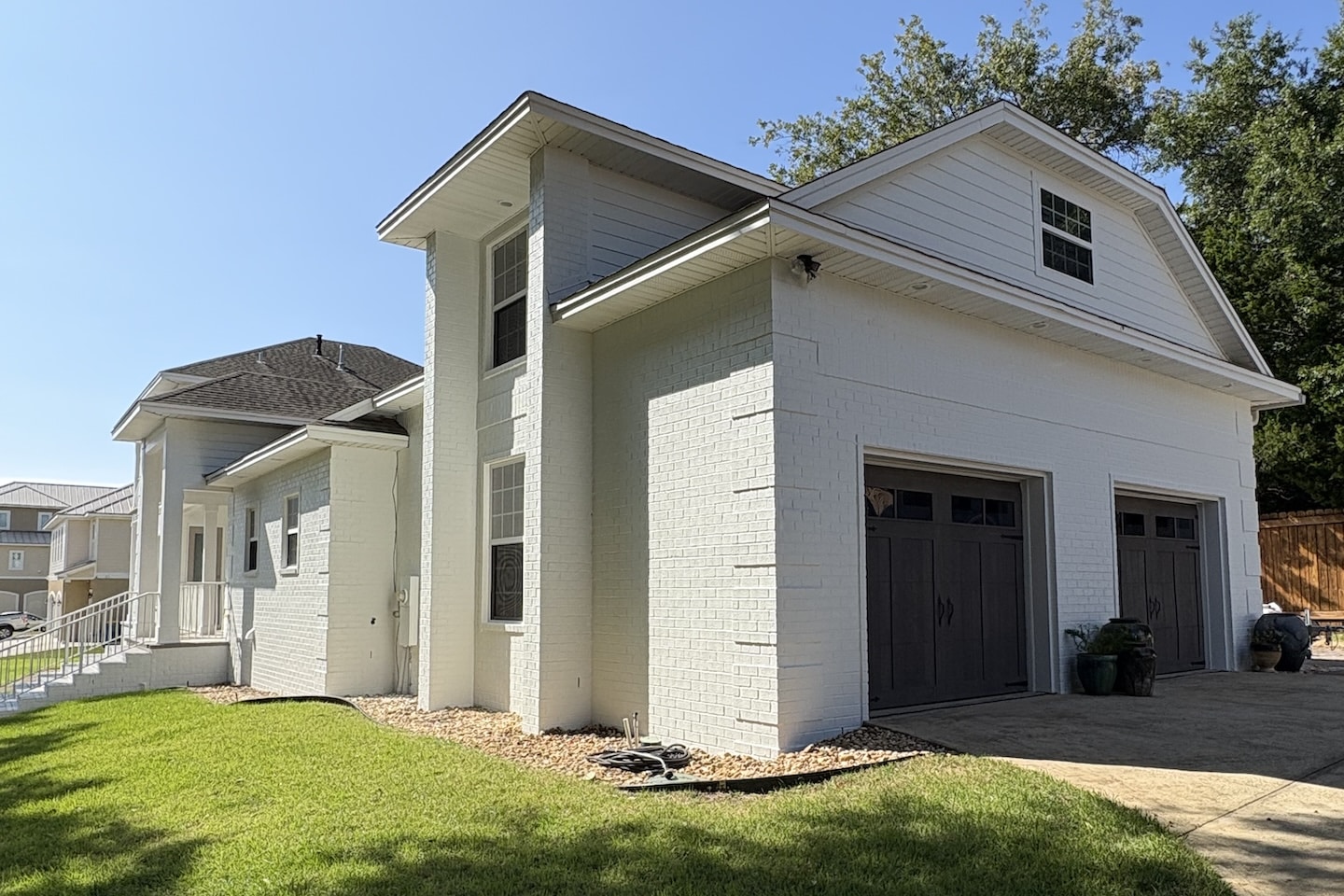
It’s one of the most common questions homeowners ask us — and the honest answer is: it depends. Figuring out how often to repaint your house comes down to a handful of real factors, and along the Emerald Coast, our climate plays a bigger role than most people realize. If your home is starting to look a little tired and you’re wondering whether it’s time, this guide will help you read the signs, understand the typical ranges, and plan your next project with confidence.
At Ovation Painting, we help homeowners across Destin, Miramar Beach, and 30A protect and refresh their homes with dependable service and refined, premium craftsmanship. Below is a straight, no-pressure answer on repainting frequency — surface by surface — plus practical ways to get the most life out of every coat.
The Short Answer — and Why It Varies
As a general rule, exterior paint tends to last several years before it needs refreshing, and interior paint often goes considerably longer. But those are averages, not promises. The real timeline for your home depends on what it’s made of, where it sits, how well the last job was done, and the weather it battles every single day.
Two nearly identical houses on the same street can need repainting years apart based on sun exposure alone. That’s why the smartest approach isn’t to circle a date on the calendar — it’s to understand the typical ranges, then let your home’s actual condition guide the decision.
How Often to Repaint Your House: Typical Ranges by Surface
Every part of your home wears at its own pace. The ranges below are general guidelines that homeowners and painters commonly use as a starting point. On the Emerald Coast, where salt, sun, and humidity work overtime, many homes land toward the shorter end.
Exterior Siding
Painted siding is often refreshed somewhere in the range of five to ten years, depending heavily on the material. Wood siding typically sits at the shorter end because it expands, contracts, and absorbs moisture. Fiber cement and properly coated stucco can often hold a finish longer. Coastal homes with full sun exposure frequently need attention sooner than inland averages suggest.
Trim, Fascia, and Soffits
Trim tends to show wear before the siding does. It’s often wood, it catches rain runoff, and it sits at the edges where water and sun hit hardest. Many homeowners find trim needs a refresh every few years, even if the main body of the house still looks good.
Front Doors and Shutters
Your front door gets touched, bumped, and baked by the sun more than almost any other surface. A door facing south or west can fade noticeably in a few short years. The good news: refreshing a door or a set of shutters is a relatively small project with a big visual payoff, and it’s one of the easiest ways to boost curb appeal between full repaints.
Decks, Fences, and Railings
Horizontal surfaces take a beating. Decks collect standing water, sand, and foot traffic, and they face the sky all day long. Painted or stained decks and fences often need recoating more frequently than vertical walls — in many cases every couple of years, depending on the product and exposure.
Interior Walls
Inside the home, paint is protected from the weather, so it generally lasts much longer. Living rooms, bedrooms, and other quieter spaces can often go many years between repaints. High-traffic areas like hallways, entryways, and kids’ rooms usually need refreshing sooner because of scuffs, fingerprints, and frequent cleaning.
Kitchens and Bathrooms
Moisture, steam, and cooking residue make kitchens and bathrooms tougher environments. These rooms often need attention before the rest of the interior, especially if ventilation is limited. Choosing the right finish and a quality product for high-humidity spaces makes a real difference in how long they look fresh.
Cabinets
Painted cabinets live a hard life — hands, hot pans, splashes, and constant opening and closing. A well-prepared, professionally applied cabinet finish can hold up for years, but edges and high-touch areas usually show wear first.
Why the Emerald Coast Is Tougher on Paint
Living near the beach is a gift, but it asks more of your home’s exterior. Homes in Destin and Miramar Beach deal with a combination of forces that most inland homes simply don’t face at the same intensity:
- Salt air. Airborne salt settles on surfaces, attracts moisture, and can accelerate the breakdown of paint films and the corrosion of metal fasteners and railings.
- Humidity. Persistent moisture encourages mildew and algae growth and works its way into any crack, gap, or failing caulk line.
- Intense UV. Strong Gulf Coast sun breaks down pigments and binders over time, which is what causes fading and chalking.
- Storms and heavy rain. Wind-driven rain, tropical weather, and seasonal downpours test every seam on your home and can expose weaknesses quickly.
None of this means you need to repaint constantly. It simply means product selection, surface preparation, and routine care matter even more here than they do in milder climates.
What Actually Determines How Often You Repaint
1. The Quality of the Previous Paint Job
This is where a lot of homeowners get burned. A rushed job with thin prep and budget products can start failing in a fraction of the time a quality job would last. Thorough cleaning, repairs, priming, and premium coatings don’t just look better on day one — they meaningfully extend the time between repaints.
2. Surface Preparation
Paint is only as good as what it’s bonded to. Washing away salt and mildew, scraping loose paint, sanding glossy areas, repairing damaged wood, and spot-priming bare spots are the unglamorous steps that determine whether a finish lasts. Skipping prep is the fastest way to shorten a paint job’s life.
3. Sun Exposure and Direction
The sides of your home that face the most direct sun — often south and west — typically fade and wear faster than shaded sides. It’s common for one elevation to look weathered while another still looks fresh. That’s normal — and a good reason to inspect each side separately.
4. Color and Sheen
Darker, more saturated colors tend to show fading sooner than lighter tones because they absorb more UV and heat. Sheen matters too: satin and semi-gloss finishes are generally easier to clean and can resist moisture better on trim and doors, while flatter finishes hide surface imperfections on large walls. None of this should dictate your design choices — it’s simply helpful to know that a bold exterior color may ask for a refresh a little sooner.
Warning Signs Your Home Is Ready for Fresh Paint
Rather than counting years, it’s smarter to watch for the signals that your paint is reaching the end of its useful life. Walk around your home once or twice a year and look for:
- Chalking — a powdery residue that rubs off on your hand when you touch the wall, a classic sign of UV breakdown.
- Fading — color that’s lost its depth, especially on sun-facing sides.
- Peeling, cracking, or blistering — clear signs the finish is failing and the surface underneath is becoming exposed.
- Mildew or dark staining — very common in our humid climate and a cue that the surface needs cleaning and attention.
- Caulk failure — cracked, shrinking, or missing caulk around windows, doors, and trim lets water behind the paint.
- Soft or rotting wood — a sign moisture has already gotten in; it should be repaired before any new paint goes on.
- You simply want a change — a new color is one of the highest-impact updates you can make to a home.
Catching these early matters. Paint isn’t only cosmetic — it’s your home’s first line of defense. Addressing wear before it spreads protects the surfaces underneath and keeps a small refresh from turning into a larger repair.
Touch-Up or Full Repaint? How to Decide
Not every issue calls for repainting the whole house. A few scuffs on a hallway wall, a chipped spot on a door, or a small area of peeling on one piece of trim can often be handled with a targeted touch-up.
A full repaint of a wall, an elevation, or the entire home usually makes more sense when:
- Fading or chalking is widespread, so touched-up spots would stand out against the surrounding color.
- Peeling or cracking appears in multiple areas, suggesting the existing coating is failing overall.
- The paint is old enough that exact color and sheen matching is no longer realistic.
- You’re planning to sell, or you want a new color scheme.
A trustworthy painter will tell you honestly which approach your home actually needs — rather than recommending more work than necessary.
Smart Maintenance to Stretch the Time Between Repaints
You can’t change the coastal climate, but a little routine care goes a long way toward extending the life of your paint:
- Rinse and wash exterior surfaces periodically. Gently removing salt, pollen, dirt, and early mildew helps the finish last. Avoid aggressive pressure that can damage paint or force water behind siding.
- Re-caulk as needed. Fresh caulk around windows, doors, and trim keeps water out of the places it does the most damage.
- Touch up small chips promptly. A quick touch-up on bare wood keeps moisture from getting a foothold.
- Trim landscaping. Keep shrubs and branches off your walls so surfaces can dry and air can circulate.
- Manage water. Clean gutters and make sure sprinklers aren’t soaking your siding every day.
What a Professional Paint Assessment Looks At
If you’re not sure whether your home is due, a professional assessment takes the guesswork out of it. When we evaluate a home, we look closely at:
- Paint adhesion and film condition — whether the existing coating is still well bonded or starting to lift, chalk, or crack.
- Each elevation separately — sun-facing sides often need attention before shaded ones.
- Caulk, seams, and transitions — where water is most likely to get in.
- Wood condition — checking trim, fascia, and railings for soft spots or rot that need repair first.
- Mildew and staining — how much cleaning and treatment the surfaces need before painting.
- Your goals — whether you want a simple refresh, a color change, or a longer-lasting upgrade.
From there, you get a clear, honest recommendation — whether that’s a few targeted touch-ups now or a full repaint — so you can plan with confidence.
Why the Right Painter Makes All the Difference
Here’s the throughline of everything above: how often you repaint is largely determined by how well the job was done the last time. At Ovation Painting, we bring dependable service and refined, premium craftsmanship to every home across Destin, Miramar Beach, 30A, and the surrounding communities. Thorough preparation, quality coatings suited to our coastal climate, and careful, detail-driven application are exactly what push your next repaint further down the road — and keep your home looking beautiful in the meantime.
Wondering if your home is due for a refresh? Request a free estimate from Ovation Painting and we’ll give you an honest assessment of what your home needs — and what it doesn’t.
Frequently Asked Questions
How often should I repaint my house exterior in Destin?
It varies with material, sun exposure, and the quality of the last paint job. Many homes are refreshed somewhere in the five-to-ten-year range, and coastal homes often land toward the shorter end. Watching for fading, chalking, peeling, and caulk failure is more reliable than a fixed schedule.
Does interior paint last longer than exterior paint?
Usually, yes — interior paint is protected from sun, salt, and weather. High-traffic and high-moisture rooms like hallways, kitchens, and bathrooms tend to need refreshing before quieter spaces.
Why does my coastal home seem to need repainting more often?
Salt air, intense UV, humidity, and storm season all wear paint faster than a milder inland climate. Climate-appropriate coatings, thorough prep, and routine cleaning help resist that wear.
Can I just touch up instead of repainting?
Sometimes. Small, isolated spots can often be touched up, but widespread fading or failing paint is better addressed by repainting the full surface so color and sheen stay consistent.
What is the best way to know how often to repaint my house?
Inspect your home once or twice a year, especially after storm season, and schedule a professional assessment if you notice warning signs. An honest evaluation will tell you whether you need a touch-up, a partial repaint, or a full refresh.
